
Building a Fall Apothecary: Cinnamon

As the weather begins to cool, cinnamon is one of the first herbs—or technically, tree barks—that many of us reach for. Its warm aroma immediately brings to mind cozy kitchens, baked apples and the arrival of fall.
Cinnamon is more than a seasonal flavor. Herbalists traditionally describe it as warming and drying. It is a practical addition to the fall apothecary because it is familiar, affordable and easy to prepare.
The Traditional Benefits of Cinnamon
Cinnamon bark has traditionally been used to:
Support digestion after heavy meals
Ease occasional gas, bloating and digestive discomfort
Encourage a feeling of warmth and circulation
Bring comfort during cold weather
Support the respiratory system during seasonal discomfort
Stimulate the senses with its warm aroma and flavor
Cinnamon contains natural plant compounds, including cinnamaldehyde and polyphenols, that have shown antioxidant, anti-inflammatory and antimicrobial activity in laboratory studies.
However, laboratory findings do not mean that cinnamon tea can prevent or cure an illness. Research has also examined cinnamon for blood-sugar control, diabetes and weight management, but the results remain inconsistent.
For the fall apothecary, it is best to think of cinnamon as a warming, aromatic herb that can support digestion and provide seasonal comfort—not as a replacement for medical treatment.
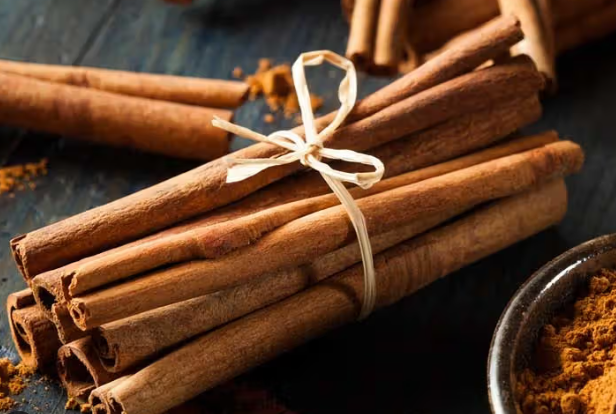
Ceylon or Cassia Cinnamon?
The two most common types of cinnamon are not exactly the same.
Ceylon cinnamon, also called “true cinnamon,” has a delicate, slightly sweet flavor. It contains relatively low levels of coumarin, making it the better choice for preparations that may be enjoyed regularly.
Cassia cinnamon has a stronger, spicier flavor and is the variety most commonly found in grocery stores. It contains considerably more coumarin, a natural compound that may affect the liver when consumed frequently in large quantities.
For this recipe, look for cinnamon labeled Ceylon cinnamon or Cinnamomum verum. Food-safety authorities also recommend choosing Ceylon cinnamon when it will be consumed frequently.
Warming Cinnamon-Apple Tea
This simple tea fills the kitchen with the scent of fall while creating a warm and comforting drink.
I love making Red Raspberry Leaf tea when I make this tea but there are many combinations or single loose leaf herbs you can use for your tea.
Ingredients
2 Ceylon cinnamon sticks
1 apple, thinly sliced
3 cups water
1 strip of orange peel, optional
Honey, optional
Directions
Place the cinnamon sticks, sliced apple and optional orange peel in a small saucepan.
Add the water and bring the mixture to a gentle boil.
Lower the heat, cover and simmer for 15–20 minutes.
Turn off the heat and allow the tea to rest for five minutes.
Strain the tea into a cup.
Add honey after the tea has cooled slightly, if desired.
How to Store It
Pour any remaining tea into a clean, covered glass jar. Refrigerate it and use it within three days.
The tea can be reheated gently on the stove or enjoyed cold. Discard it if its smell, appearance or flavor changes.
A Quick Herbal Note
Cinnamon used occasionally in normal culinary amounts is different from taking concentrated supplements or consuming large medicinal amounts every day.
Anyone who has liver disease, takes medication that affects blood sugar, is pregnant or plans to use cinnamon medicinally should consult a qualified healthcare professional first.
Cinnamon powder and cinnamon essential oil may irritate the skin and should not be applied directly.
Building a fall apothecary does not always require unfamiliar herbs or complicated recipes. Sometimes it begins with a familiar bark, a few apple slices and a warm cup of tea that invites us to slow down and welcome the changing season.
