
5 Carribean Herbs From the Bahamas and Their Uses
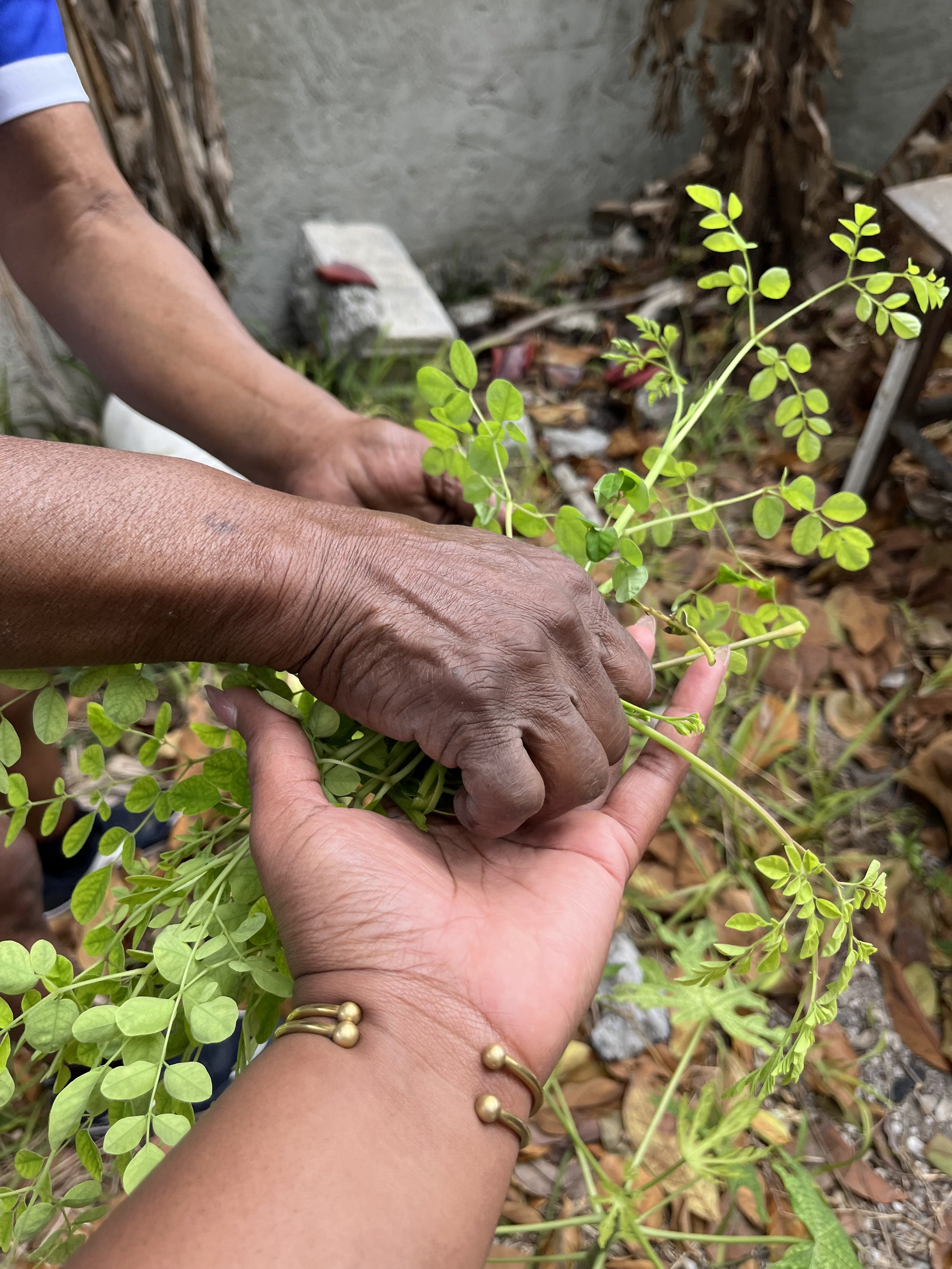
The hands of Annita Francis giving Shamika Miller, moringa from her garden in the Bahamas
There’s something powerful about being introduced to plants in the place where they naturally grow.
Not packaged.
Not labeled.
Not explained through a textbook.
But living.
Growing.
Part of everyday life.
The plants Shamika shared from the Bahamas are not unfamiliar to herbal traditions — many of them are widely used across the Caribbean and the African diaspora but what makes them meaningful is how they are used consistently, passed down, and understood through experience.
This post takes a closer look at a few of those plants — their origins, traditional uses, and how they are commonly prepared.
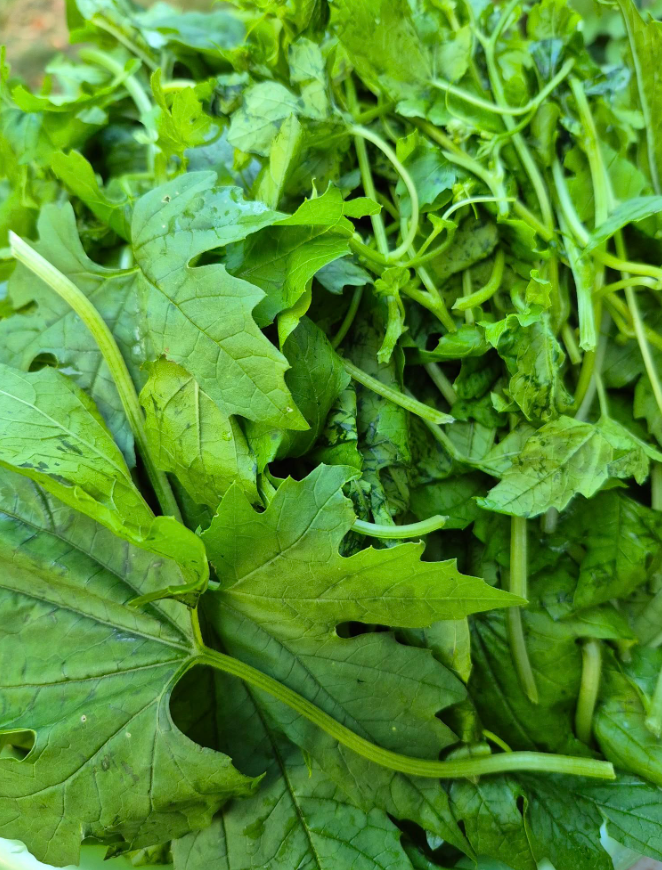
Cerasee (Momordica charantia)
Cerasee, also known as bitter melon vine, is a climbing plant commonly found in tropical regions.
Traditional Uses:
- Digestive support
- Internal cleansing
- Blood and skin health
- General balance
Preparation:
- Most commonly prepared as a tea using the leaves and vines
- Typically consumed in small amounts due to its strong bitterness
- Often used for short periods rather than long-term daily use
Cerasee is widely recognized for its bitter properties, which are often associated with supporting the body’s natural detoxification processes.
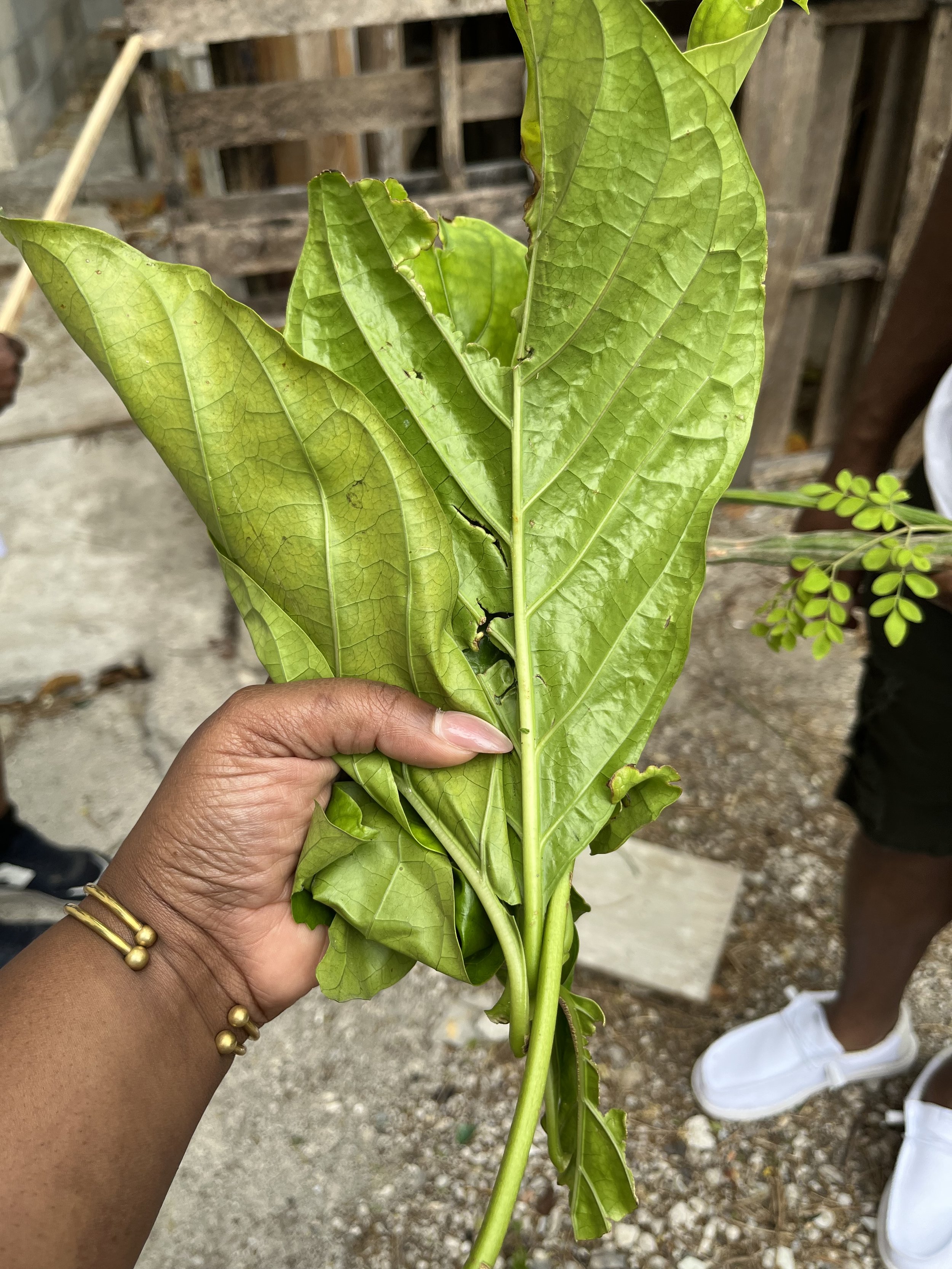
Noni (Morinda citrifolia)
Noni is a tropical fruit-bearing tree known for its strong smell and broad range of traditional uses.
Traditional Uses:
- Immune system support
- Inflammation response
- Digestive balance
- Overall wellness
Preparation:
- Commonly prepared as juice (fermented or pressed)
- Leaves may be used as tea
- Sometimes used topically depending on traditional practices
Despite its strong odor and taste, noni continues to be widely used across cultures for its supportive properties.
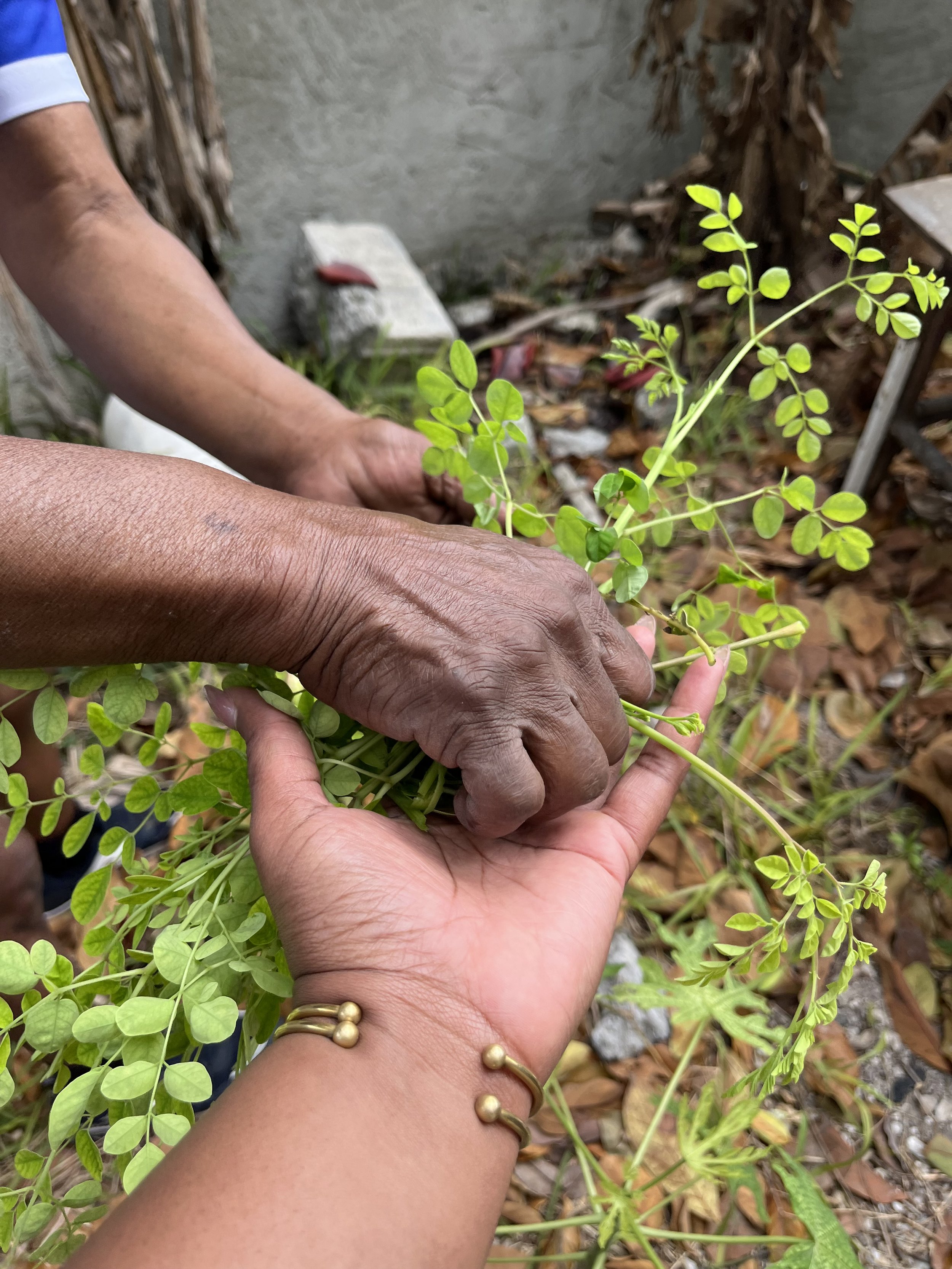
Moringa (Moringa oleifera)
Moringa is often referred to as a nutrient-dense plant and is used in many parts of the world for nutritional and herbal support.
Traditional Uses:
- Energy support
- Nutrient supplementation
- General vitality
Preparation:
- Leaves are commonly dried and used as tea
- Can be powdered and added to food or drinks
- Fresh leaves may also be cooked or consumed directly
Moringa is valued for its high concentration of vitamins and minerals, making it a widely used plant for nourishment.
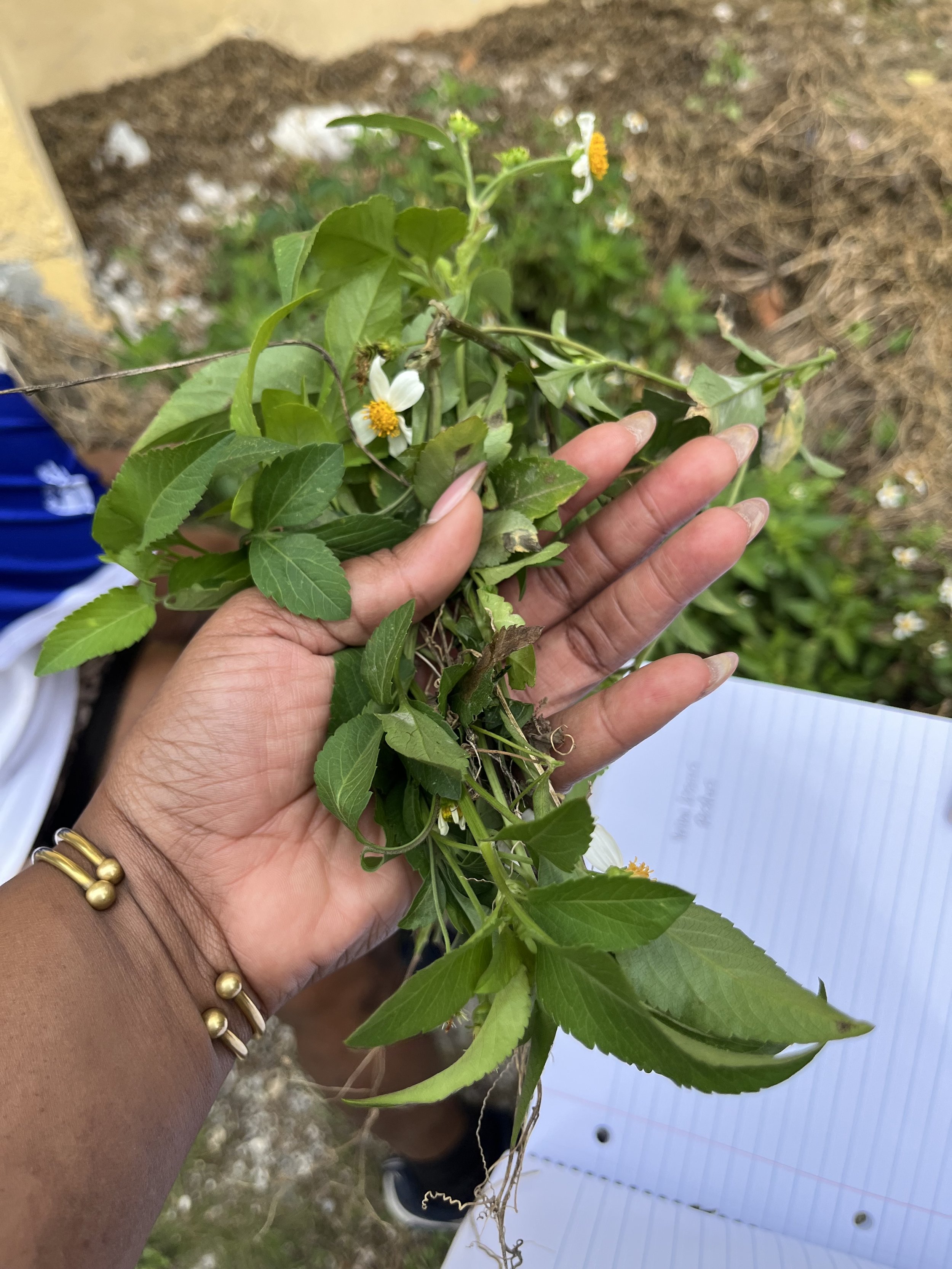
Yellow Hibiscus (Hibiscus spp.)
Yellow hibiscus is a flowering plant found in tropical climates and is part of a larger family of hibiscus plants used in herbal practices.
Traditional Uses:
- Skin support
- Cooling and soothing properties
- General wellness
Preparation:
- Flowers may be used in teas or infusions
- Sometimes used in topical preparations depending on tradition
Hibiscus plants are often appreciated for both their beauty and their functional use in herbal preparations.
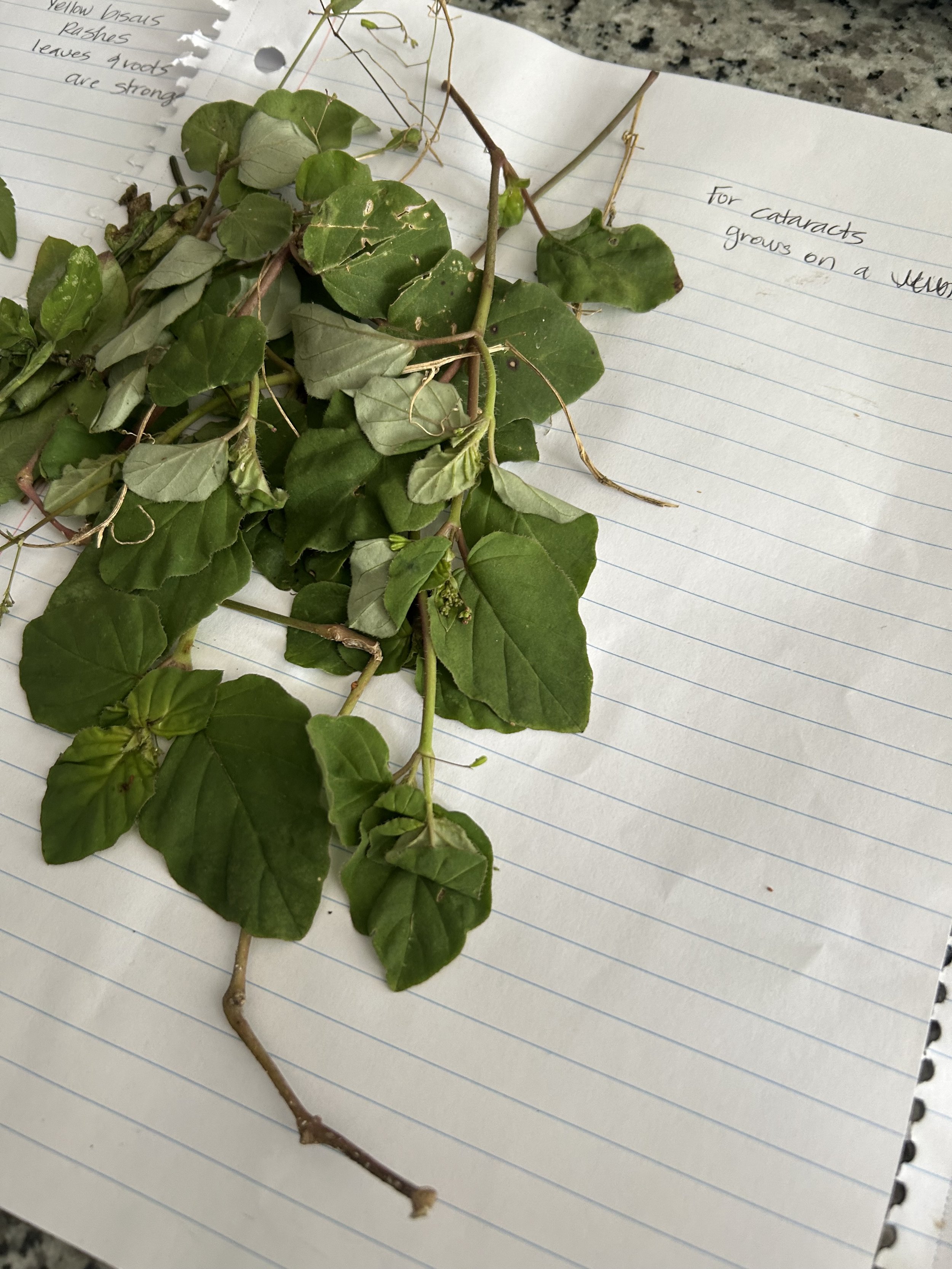
Scarlet Spiderling (Hamelia patens)
Scarlet spiderling, also known as firebush, is a tropical flowering shrub commonly found in the Caribbean and Central America.
Traditional Uses:
- Skin support (including minor irritations and rashes)
- Wound care in traditional practices
- Anti-inflammatory support
Preparation:
- Leaves are sometimes crushed and applied topically
- Can be used in washes or infusions depending on tradition
This plant is often recognized for both its vibrant appearance and its role in traditional topical herbal applications.
These plants are not rare or hard to find in the regions where they grow.
They are part of daily life. And understanding them begins not just with learning their names but with learning how they are used, shared, and passed down over time.
I’m curious… would you use any of these plants?
And if so, how would you work with them?
