Returning to What Has Always Been Ours Through Herbalism
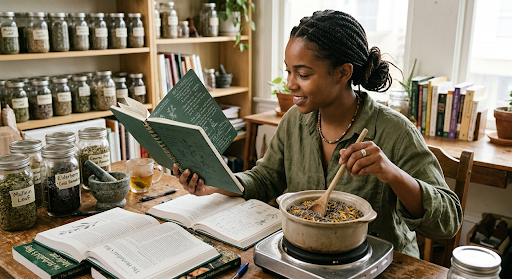
Classes are officially in session at What Grandma Said, and I’m not even going to lie… I’m excited.
Herbalism Level 1, 2, and 3 all started this month, and stepping into this space feels like I’m stepping into something deeper than just learning about plants.
It feels like I’m returning to something.
Because when I think about our community the things we face when it comes to health, stress, and overall wellness I realize how important it is for us to have knowledge. Not just surface-level information, but real understanding of how to care for our bodies in ways that feel accessible and rooted.
And for me, this journey isn’t just personal.
Yes, I want better for my own health.
Yes, I want to support my family.
But I also want to be part of a shift… one where we reconnect to practices that have always been ours.
Because when you start looking back through history, you realize something powerful:
Black women have always been herbalists.
They were healers.
Caretakers.
Midwives.
Women who knew what to gather, what to brew, and how to tend to the body with what was available.
And truthfully some of the most powerful herbalists were never written about.
They were our grandmothers.
Our great-grandmothers.
The women in our families and communities who carried this knowledge quietly.
The ones who made teas without measuring.
Who knew what plant to reach for without needing a book.
Who healed with what they had… and passed that wisdom down without needing recognition.
That kind of knowledge doesn’t just come from study.
It comes from living.
From paying attention.
From being connected to the land and to the people around you.
And even though much of that knowledge wasn’t formally documented, it never disappeared.
It lives on through us and was nurtured; cultivated and continues to grow though the hands of the women I would like to recognize following women:
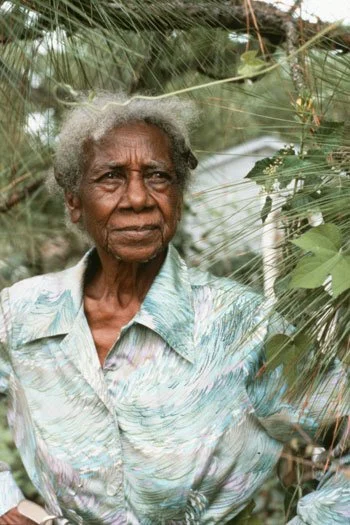
Emma Dupree
Known as a “granny woman,” Emma Dupree was a community herbalist in North Carolina who used a garden-grown pharmacy to care for those around her. She worked with local plants to create teas, tonics, and remedies, often serving people regardless of their ability to pay, preserving traditional healing practices for generations..
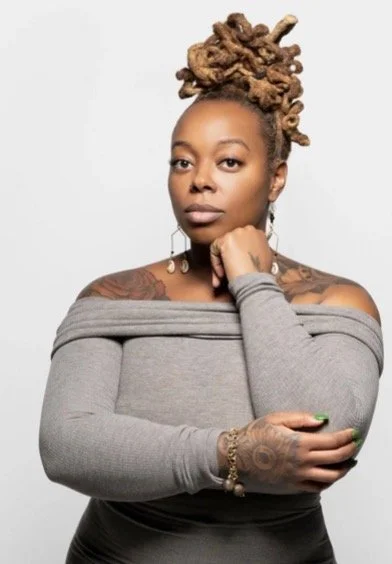
And now, in our time, that legacy continues with our very own
Shamika Miller.
Shamika is creating space for this knowledge to be learned, practiced, and lived. Through What Grandma Said, she’s helping to bring herbalism back into the community in a way that feels grounded, cultural, and connected making it accessible for a new generation of learners like me.
Being in these classes, I’m starting to see that herbalism isn’t just about plants.
It’s about remembering.
It’s about reconnecting.
It’s about reclaiming knowledge that has always been part of who we are.
And during Women’s History Month, it just feels right to honor that.
To honor the women who came before us
the ones whose names we know,
and the many we may never know.
And to step into that lineage in our own way.
Because learning is just the beginning.
