
Fall Family Apothecary: Marshmallow Root
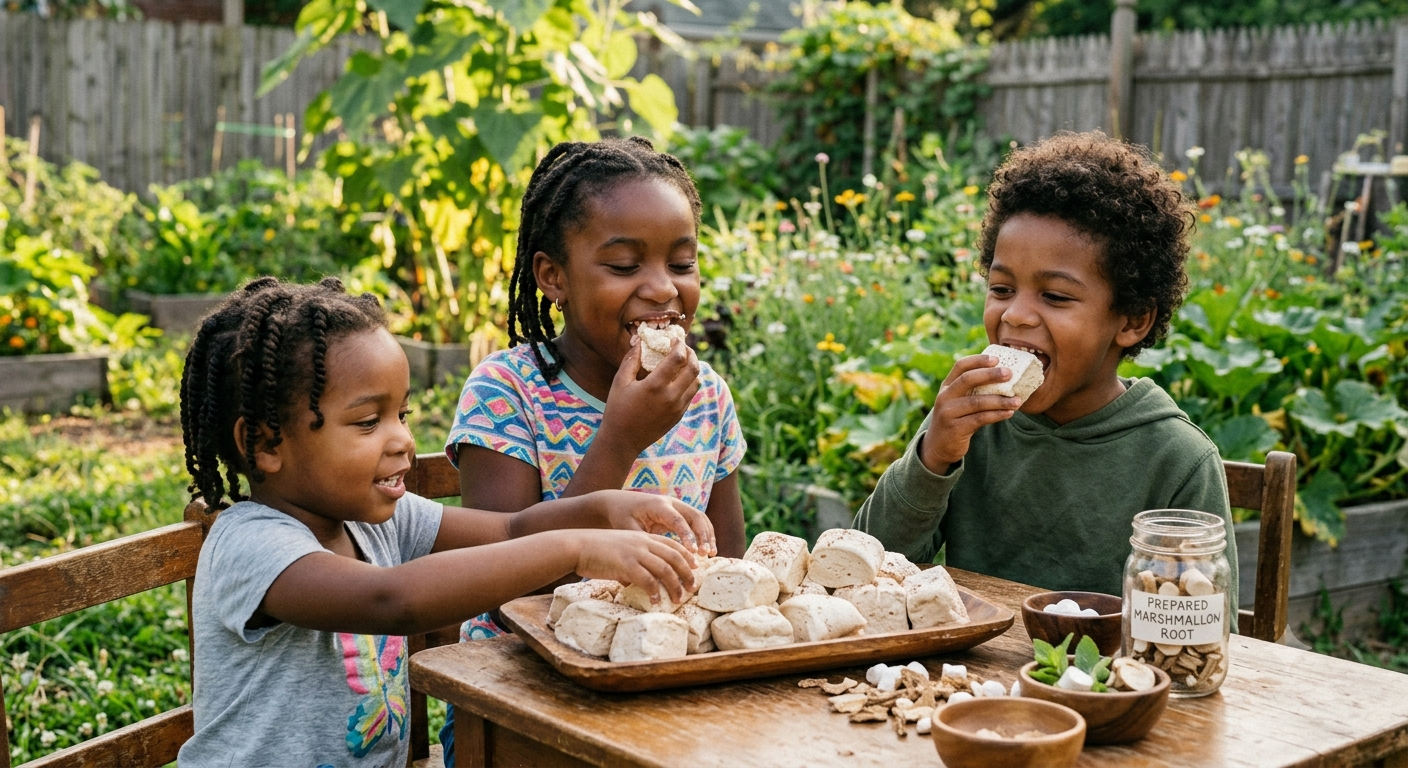
As the kids head back to school and we prepare our homes for fall, marshmallow root (Althaea officinalis) is another herb worth adding to the family apothecary.
And yes—the marshmallow plant really does have a connection to the fluffy marshmallows we know today!
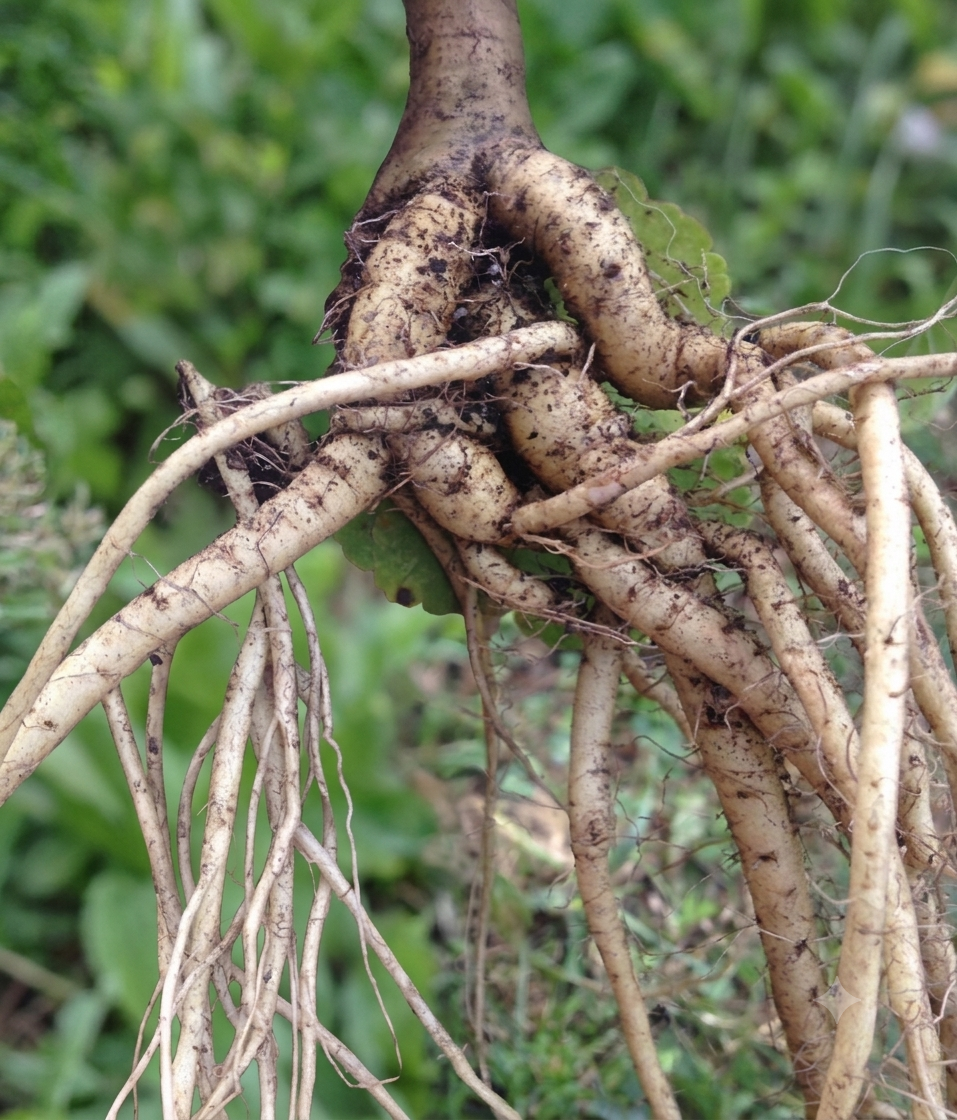
Why Marshmallow Root?
Marshmallow root contains mucilage, a slippery plant constituent that coats and soothes irritated tissues. In herbalism, marshmallow is considered a demulcent and has traditionally been used when tissues feel dry or irritated. Marshmallow Root can be used for:
Throat and Respiratory Relief
Sooths coughs: Coats a scratchy throat and calms dry coughs.
Reduces irritation: Helps ease pain from minor throat infections.
Digestive Health
Protects the gut: May shield the stomach lining from acid reflux and ulcers.
Calms inflammation: Eases general stomach upset and digestive tract irritation.
Skin Care
Calms redness: Helps soothe eczema, dermatitis, and minor burns when applied topically.
Helps healing: Supports skin repair in minor cuts or scrape
One of the easiest ways to prepare marshmallow root is a cold infusion.
Add 1 tablespoon dried marshmallow root to 1 cup cool water. Cover and refrigerate for several hours or overnight, then strain.
The slightly slippery texture you feel is the mucilage being extracted from the root.
Long before the bags of fluffy marshmallows we find in grocery stores, preparations made from the marshmallow plant were used as soothing confections.
So for a little fall-apothecary fun, let’s bring the marshmallow back to the marshmallow!
Homemade Marshmallow-Root Marshmallows
You’ll need:
1 cup strong, well-strained marshmallow-root infusion
3 tablespoons unflavored gelatin
1 cup honey
1 teaspoon vanilla extract
Arrowroot powder for dusting
Make them:
Pour ½ cup of the cool marshmallow infusion into the bowl of a stand mixer. Sprinkle the gelatin over it and allow it to bloom.
Place the remaining ½ cup infusion and honey in a saucepan. Gently heat until the honey mixture reaches approximately 240°F (soft-ball stage) on a candy thermometer.
With the mixer running on low, carefully pour the hot honey mixture into the bloomed gelatin. Gradually increase the speed and whip for approximately 8–12 minutes, until the mixture becomes thick, pale and fluffy. Add the vanilla near the end.
Dust a parchment-lined pan with arrowroot powder, spread the mixture into the pan and allow it to set. Once firm, cut into squares and lightly dust the cut sides with additional arrowroot.
How to Use Them
Think of these as a soothing herbal food rather than a standardized herbal dose.
Enjoy one when the throat feels dry or scratchy, add one to a warm cup of herbal tea or cocoa, or simply enjoy them as a fun way to introduce your family to another plant in the fall apothecary.
Storage
Because these are homemade with an herbal water infusion, I prefer to make small batches. Store them in an airtight container in the refrigerator and use within about 5–7 days, or freeze them for longer storage.
Family Apothecary Note: Homemade marshmallows may be a choking hazard for young children. Honey should never be given to children under 12 months. Herbal preparations aren’t a substitute for medical care, and children’s age, medications, allergies and health conditions should always be considered when introducing
