
Sassafras: Food, Rootwork, and Memory in Spiritual Herbalism
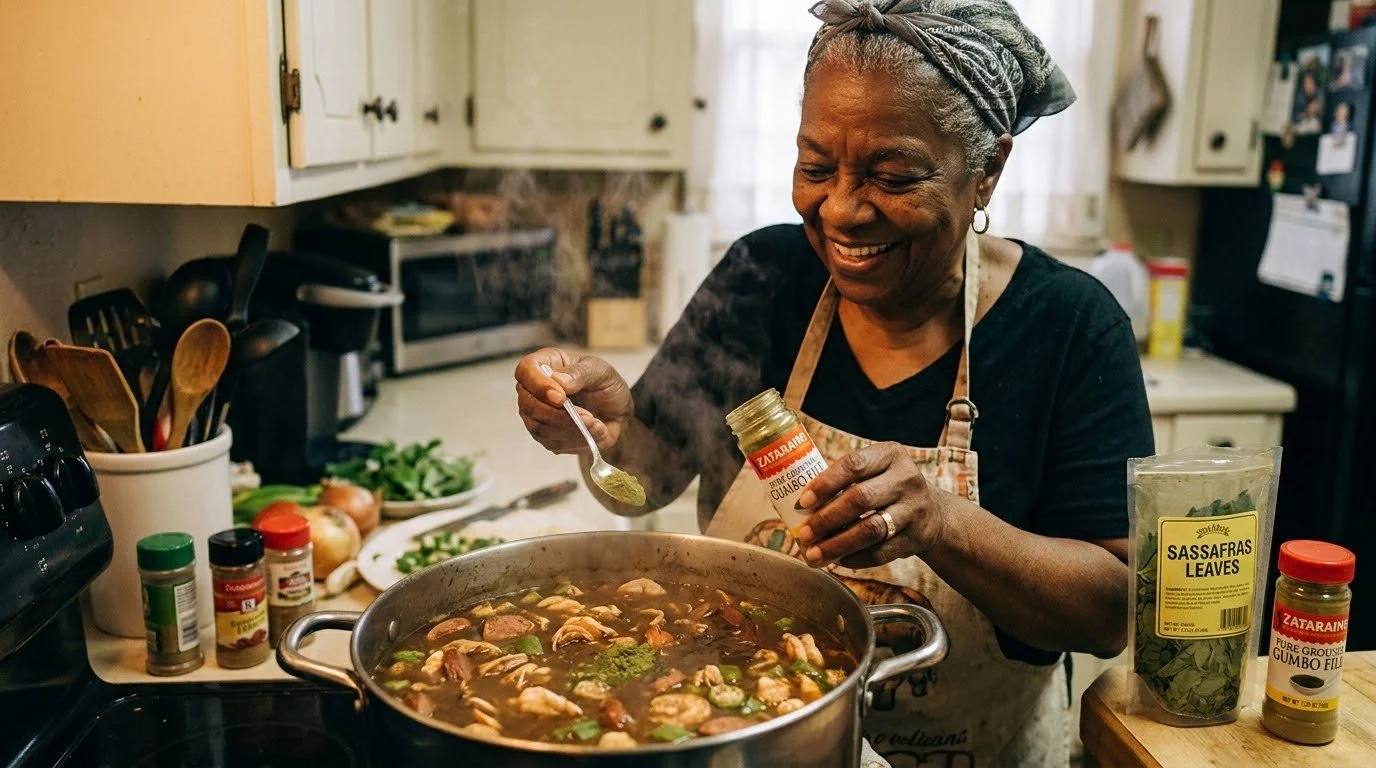
As I continue learning about the herbs and roots connected to Hoodoo, I’m reminded that plants are more than ingredients. They carry knowledge passed through families and communities—in our kitchens, our home remedies, and our spiritual practices.
Sassafras is one of those plants. Its story includes the leaves used in gumbo, the root used in money work, and a medicinal history that asks us to pay attention to the plant part and preparation.
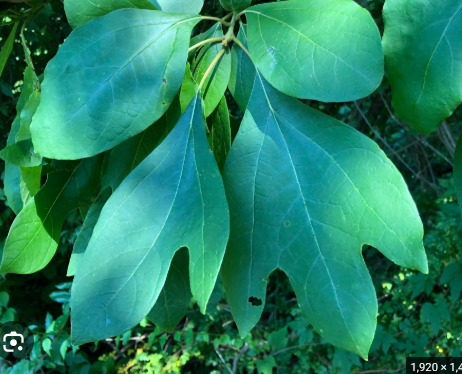
Sassafras Albidum
Sassafras Albidum, a deciduous species native to eastern North America.
Aroma: Crushing the leaves or twigs releases a fragrant, spicy, and citrus- or root-beer-like scent.
Mucilaginous: Young leaves feel slick or mucilaginous (gelatinous).
Sassafras in the Kitchen
If you’ve cooked gumbo with filé powder, you’ve already encountered sassafras. Filé is made from the dried, ground leaves of the sassafras tree, Sassafras albidum. It adds flavor and helps thicken gumbo, holding a familiar place in Louisiana cooking.
That distinction matters: culinary filé powder comes from the leaves, while sassafras root-bark tea and concentrated oil are different preparations. A study of sassafras products found safrole below detectable levels in most leaf samples, compared with much higher concentrations in some other preparations. The FDA separately lists safrole-free sassafras leaves among food flavoring substances.
Sassafras Root in Hoodoo
In documented Hoodoo rootwork, sassafras root is associated with money matters, business success, and helping money last. Catherine Yronwode’s published material describes carrying sassafras root near money in a wallet or purse, with the intention of making that money go farther. These are documented spiritual practices; how a root is worked can differ across practitioners, families, and communities.
What stands out to me is the attention to keeping and managing what comes in. There is something meaningful about a practice that brings intention to provision, stability, and the resources we work hard to build.
Sassafras and Medicinal History
Sassafras also has a history in herbal medicine. Historical accounts describe Indigenous use of root-bark infusions for fever, diarrhea, and rheumatism. These accounts tell us how people used the plant; they do not establish that those preparations are safe or effective treatments today.
The main concern is safrole, a substance found in sassafras root bark and especially concentrated in its oil. Safrole caused liver cancer in animal studies, and health authorities advise against using sassafras to treat medical conditions. Homemade root-bark tea and sassafras oil should not be treated as interchangeable with culinary filé powder.
For this reason, I’m sharing sassafras’s medicinal uses as history rather than recommending a root tea, tincture, or oil remedy.
What Sassafras is Teaching Me
Studying sassafras reminds me to ask more than, “What is this plant used for?” I also need to ask which part, how it is prepared, and whether the purpose is culinary, medicinal, or spiritual.
The leaves in a pot of gumbo and the root carried for money work belong to different practices. Learning those distinctions gives me a fuller appreciation of the plant—and of the people who have carried its knowledge forward.
