
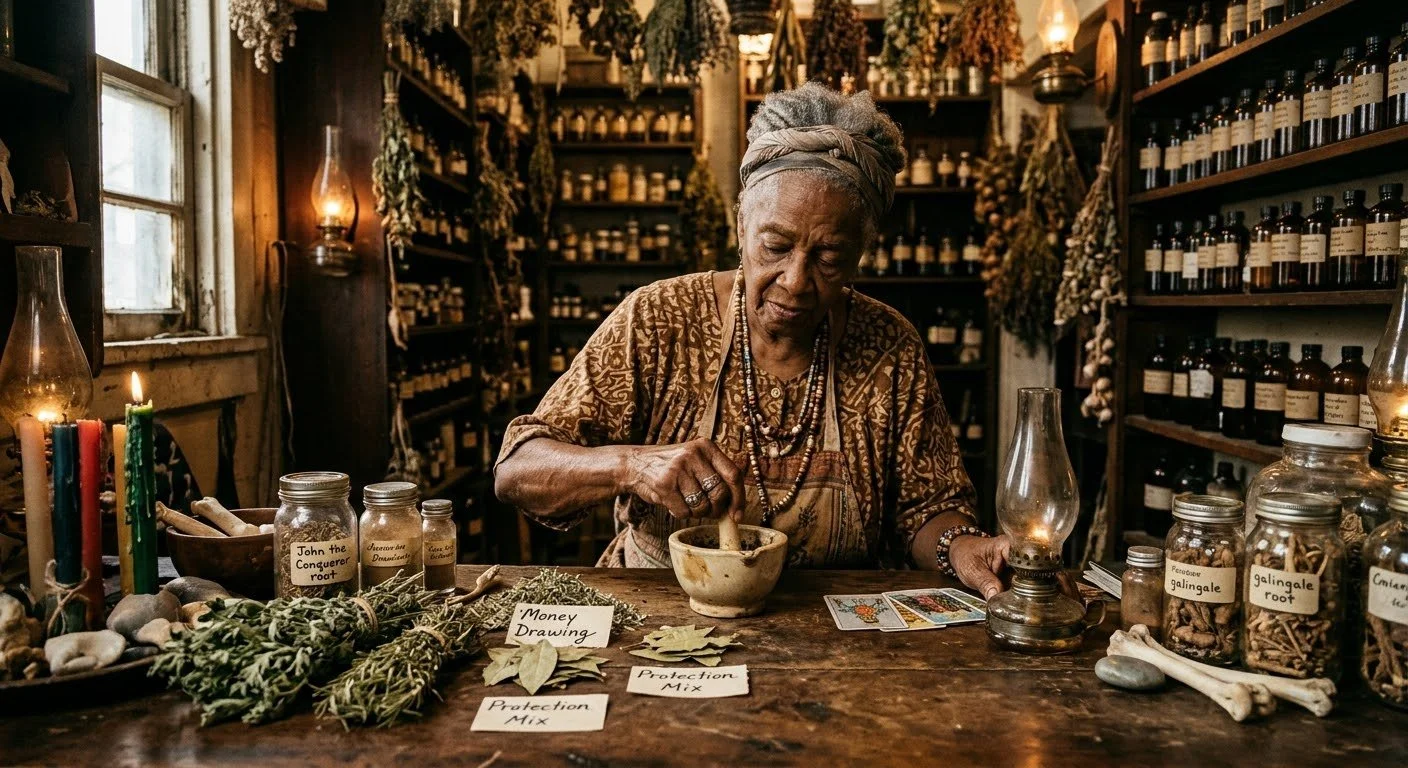
As Hoodoo Heritage Month comes to a close, I want to introduce a few more plants that invite us to keep learning.
Throughout this series, I’ve been thinking about knowledge carried through families and communities. The leaves prepared for a wash. The roots carried close. The prayers spoken while someone tends to their home, their family, or themselves.
Plants are more than ingredients. Learning about them means paying attention to their history, their spiritual meaning, and how they may be used medicinally.
These five herbs, along with one additional root, offer a starting place. Their associations come from documented rootwork practices; how they are worked with can differ across families, communities, and practitioners.
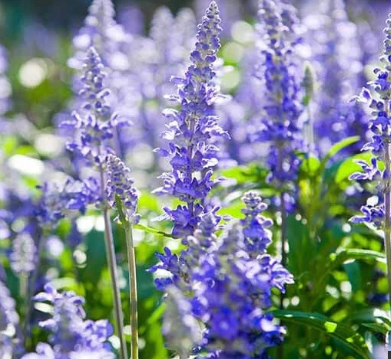
1. Hyssop: Cleansing and Renewal
Hyssop is associated with spiritual purification in Hoodoo. Published rootwork sources describe its use in spiritual baths and home washes intended to remove jinxes or crossed conditions. Psalm 51 often accompanies this work, connecting the practice with prayer, forgiveness, and renewal.
What speaks to me is the opportunity to pause—to acknowledge what we have been carrying and consider how we want to move forward.
Medicinally, Hyssopus officinalis has traditionally been used to help relieve excess respiratory mucus, intestinal gas, and digestive discomfort. These physical uses are separate from spiritual cleansing. Medicinal use should be avoided during pregnancy, and its concentrated essential oil is not interchangeable with the dried herb. )
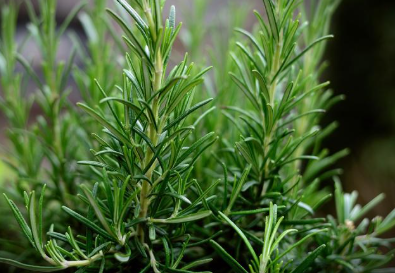
2. Rosemary: Protection and Care for the Home
Rosemary may already be familiar from the kitchen, but it also has a place in spiritual herbalism. In documented Hoodoo practices, it is associated with protection, cleansing, faithfulness, and peace within the home. It appears in prepared spiritual oils and mojo work connected with those purposes.
I appreciate how this brings attention to the home as a place we actively care for—the relationships within it and the atmosphere we hope to create.
Medicinally, certain rosemary-leaf preparations have traditional uses for mild indigestion and digestive spasms. Bath preparations also have traditional uses for minor muscle and joint discomfort. These uses are recognized on the basis of long-standing practice, with limited clinical evidence.
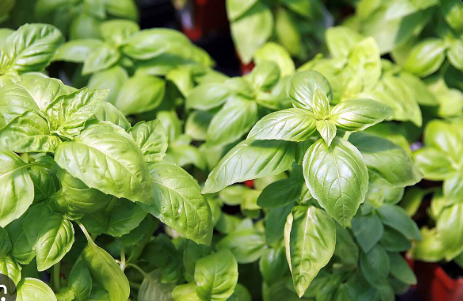
3. Basil: Prosperity and Family Harmony
Basil carries associations with money, success, protection, and a peaceful household in published Hoodoo sources. It appears in cleansing work and practices intended to encourage affection and harmony within the family.
There is something meaningful about an herb that can be part of preparing a meal and also part of how someone expresses care and intention for their household.
Sweet basil, Ocimum basilicum, also has a history of medicinal use for digestive discomfort and gas. That history does not establish it as a proven treatment. Sweet basil should also be distinguished from holy basil or tulsi, which is a different plant with its own research and traditions.
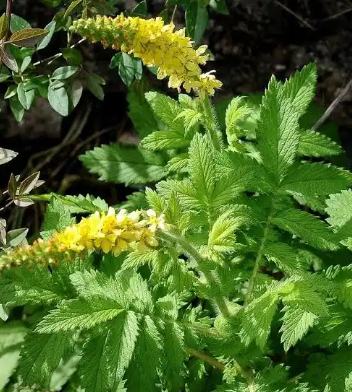
4. Agrimony: Uncrossing and Spiritual Protection
Agrimony is associated with uncrossing and reversing harmful spiritual work. In published Hoodoo material, it appears in baths, protective preparations, and mojo bags used with that intention. These are spiritual beliefs and practices, rather than medical effects.
For my own reflection, agrimony brings up the subject of boundaries: recognizing what needs our attention and being deliberate about what we allow into our lives.
Medicinally, Agrimonia eupatoria has traditional uses for mild diarrhea and, as a gargle, mild inflammation of the mouth and throat. These uses are based on long-standing herbal practice rather than strong clinical evidence.
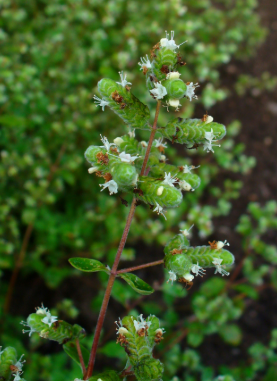
5. Marjoram: Peace and Comfort Through Sorrow
Marjoram brings a softer quality to this collection. Published rootwork sources associate it with protection, love within marriage, a peaceful home, and spiritual comfort during grief. Some describe it alongside Balm of Gilead buds in bathing practices intended for someone experiencing sorrow.
I wanted to include marjoram because spiritual care also makes room for tenderness—for tending to ourselves and one another when life feels heavy.
Medicinally, sweet marjoram, Origanum majorana, has traditional uses for mild indigestion, bloating, and gas. That digestive role is different from its spiritual association with comfort during grief.
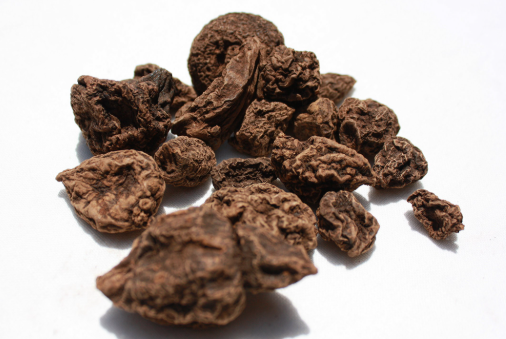
One more to know: A Widely known Root within Hoodoo - High John the Conqueror Root
High John the Conqueror root holds a meaningful place in Hoodoo, where it is associated with personal power, good fortune, prosperity, and overcoming obstacles. Documented practices include carrying the whole root as a pocket piece or placing it in a purposefully prepared mojo bag.
The root’s name connects it with John the Conqueror, a figure in African American folklore remembered for his cleverness and ability to maintain his spirit while facing oppression. That connection adds depth to its meaning: strength includes resourcefulness, determination, and holding on to yourself through difficult circumstances.
For me, High John offers a meaningful place to close this series. It invites reflection on the strength we inherit, the knowledge we continue to seek, and how we carry ourselves through challenges.
*A distinction to remember: High John is discussed here for its spiritual role, rather than as a medicinal remedy. It should not be chewed, brewed into tea, or swallowed. It is different from galangal, sometimes called Chewing John or Little John to Chew; those names do not refer to interchangeable roots.
As I finish this month’s series, I’m carrying forward a deeper appreciation for the questions behind each plant. Who shared this knowledge? Which plant and preparation were used? What was the purpose?
Spiritual meaning and medicinal use each deserve thoughtful attention. Before preparing an herb for the body, check its identity, suitability, and potential interactions; essential oils require different precautions from dried herbs.
There is still so much to learn, and I’m grateful to keep listening.
"As above, so below"
