
Spring Equinox: Time to Plant Your Seeds
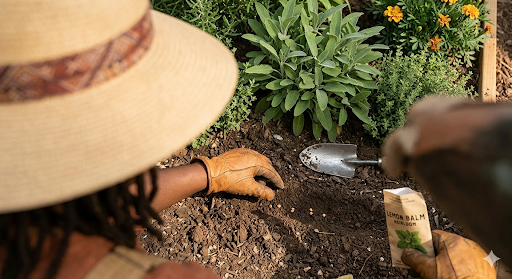
The Spring Equinox always feels like the earth taking a deep breath.
The Spring Equinox marks the moment when the sun crosses the equator, and day and night are nearly equal in length. It signals the official beginning of spring a seasonal shift toward longer days, increased sunlight, and steady warming of the soil.
The days and nights finally meet in balance, the sun lingers a little longer in the sky, and the ground begins warming just enough for new life to push through the soil. If you’ve been paying attention, you might already see small green leaves starting to appear in gardens and along the edges of yards.
For gardeners and herbalists, the Spring Equinox is often a gentle reminder that it’s time to start planting your seeds.
Traditionally, herbalists used this time as a period of preparation and transition. As the seasons shifted, they focused on clearing out the heaviness of winter and supporting the body’s natural processes. This often-included working with early spring herbs especially bitter and nutrient-rich plants to support digestion, liver function, and overall vitality. It was also a time to begin harvesting young, tender plants, preparing fresh teas and infusions, and planning the growing season ahead.
This is the season when many of the herbs we use for tea, healing, and everyday cooking begin their growing season. And one of the beautiful things about herbalism is that many of these plants grow easily in small spaces garden beds, containers, or even a few pots near a sunny window.
Some herbs that do well when planted in early spring include:
• Nettle – a mineral-rich herb known for its nourishing properties, often used to support overall vitality and in nutrient-dense teas
• Chamomile – a gentle herb commonly used in calming teas and to support digestion
• Lemon Balm – uplifting and supportive for the nervous system, often used to ease tension and promote relaxation
• Parsley – rich in vitamins and minerals, useful in broths, teas, and everyday cooking
• Mint – refreshing and supportive for digestion; spreads quickly, so it’s often best grown in containers
• Echinacea – traditionally used for immune support and grows back each year as a perennial
• Yarrow – a hardy herb that tolerates dry conditions and is often used in traditional herbal preparations
So let me ask you something…
What growing zone do you live in?
What are you planting in your garden this spring?
Are you growing herbs for tea?
A few healing flowers for your apothecary?
Or maybe a small kitchen herb garden right outside your door?
However big or small the space may be, tending even a few plants can bring you closer to the rhythm of the season.
