
Sunset Orchard Cooler
A Layered Botanical Beverage with
Rooibos, Oatstraw, and Lemon Verbana
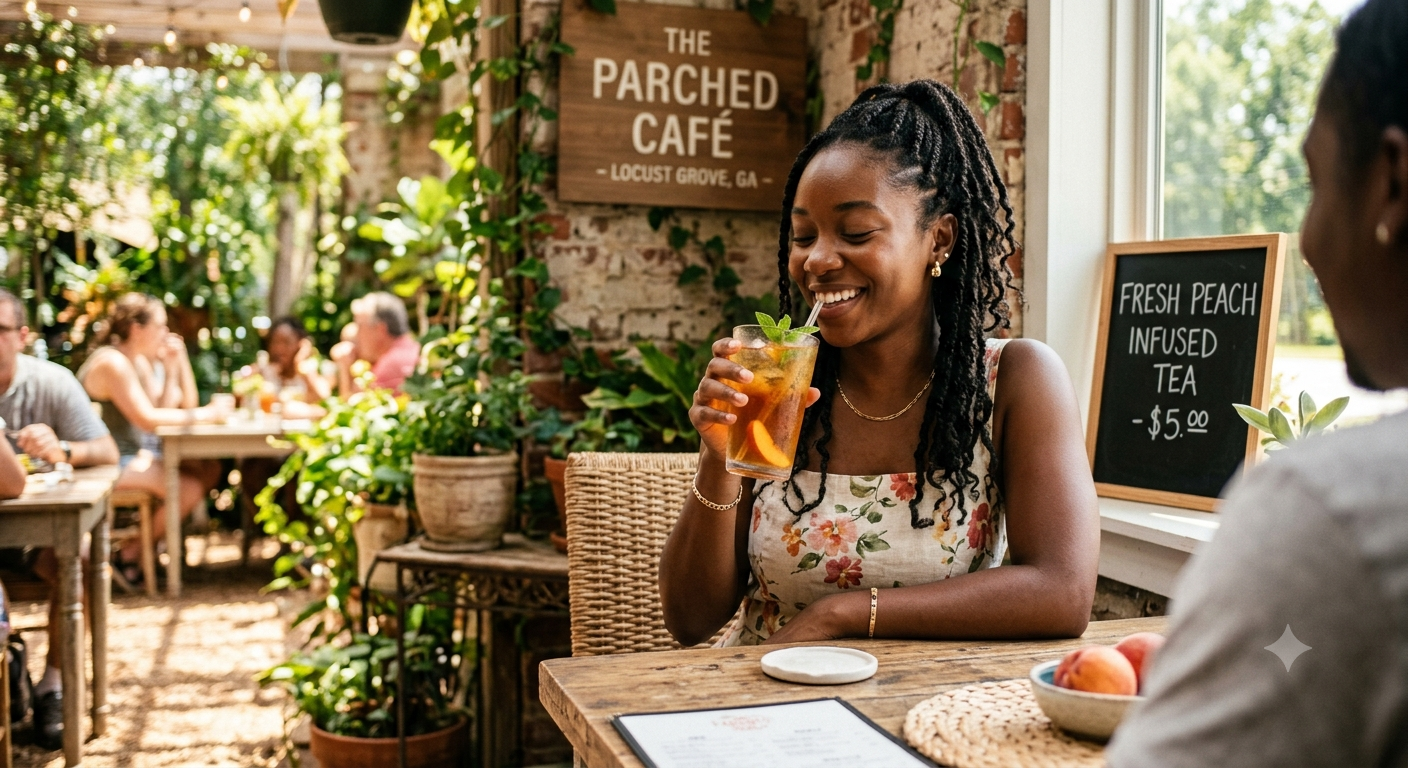
One of the greatest lessons I have learned through herbalism is that preparing herbs is just as important as selecting them.
Every plant, fruit, and spice has its own character. Some readily give themselves to hot water, while others ask for more time. As I continue my herbal studies, I am learning that understanding these differences allows us to prepare botanicals with greater intention.
For this recipe, I wanted to create a beverage that reflected the warmth of late summer while exploring the art of layered infusions. Instead of relying on fruit juice alone, I allowed fresh peaches, orange slices, warming spices, lemon verbena, and oatstraw to slowly infuse together before combining them with a freshly prepared rooibos infusion.
The result is the Sunset Orchard Cooler—a botanical beverage inspired by the colors, aromas, and abundance of the summer orchard.
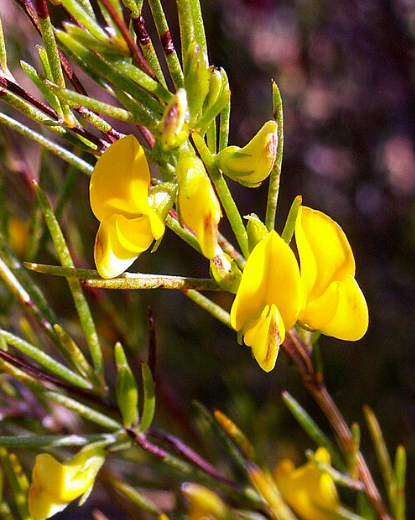
Rooibos (
Aspalathus linearis)
Native to the Cederberg region of South Africa, rooibos has long been enjoyed as a naturally caffeine-free botanical infusion. Its naturally smooth, slightly sweet flavor provides a warm foundation for fruit and spices.
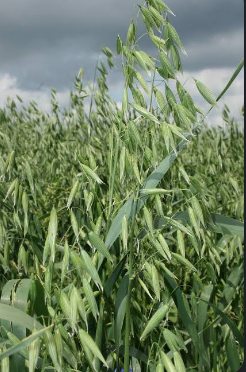
Oatstraw (
Avena sativa)
Oatstraw is traditionally regarded as a nourishing herb that is often prepared as a long infusion, allowing time for water-soluble constituents to move into the liquid. Its mild flavor supports other botanicals without overpowering them.
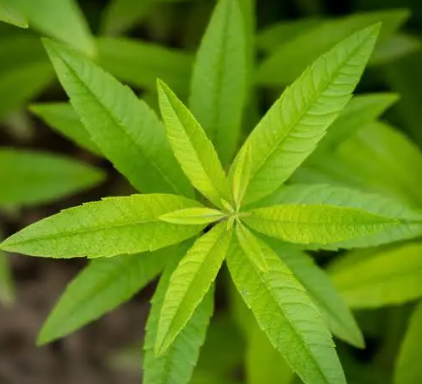
Lemon Verbena (
Aloysia citrodora)
Lemon verbena is treasured for its wonderfully bright citrus aroma. Traditionally enjoyed as an aromatic and digestive herb, it brings freshness and elegance to teas and botanical beverages. In this recipe, lemon verbena doesn’t overpower the drink—it connects the peaches, oranges, spices, and rooibos into one harmonious blend.
Sunset Orchard Cooler
Ingredients
Rooibos Infusion
2 tablespoons rooibos
2 cups freshly boiled water
Orchard Fruit & Botanical Infusion
2 ripe peaches, sliced
1 orange, sliced
1 cinnamon stick
3 whole cloves
4–6 fresh lemon verbena leaves (or 1 tablespoon dried)
1–2 tablespoons honey
2 cups filtered water
2 tablespoons dried oatstraw
To Serve
Ice
Orange slices
Fresh lemon verbena sprigs or mint for garnish (optional)
Method
Step 1 – Prepare the Orchard Infusion
In a large glass jar, combine the peaches, orange slices, cinnamon stick, cloves, lemon verbena, honey, and filtered water.
Add the dried oatstraw and stir gently.
Cover and refrigerate overnight (8–12 hours), allowing the fruit, herbs, and spices to slowly infuse.
The following day, strain through a fine-mesh sieve, pressing the fruit gently to release the remaining liquid.
Step 2 – Prepare the Rooibos
Steep the rooibos in freshly boiled water for 8–10 minutes.
Strain and cool completely.
Step 3 – Assemble
Combine the chilled rooibos infusion with the strained orchard infusion.
Serve over ice and garnish with a fresh lemon verbena sprig or an orange slice.
Why This Preparation?
One of the most enjoyable parts of preparing this beverage was experimenting with layered infusions.
Rather than relying on fruit juice alone, I allowed fresh peaches, orange slices, cinnamon, cloves, honey, lemon verbena, and oatstraw to slowly infuse together overnight.
To deepen the beverage, I added oatstraw to my cooled fruit and botanical infusion and allowed it to steep overnight. This longer steeping time is traditionally used with nutritive herbs like oatstraw, giving the plant time to release more of its water-soluble constituents before the infusion is strained and incorporated into the finished drink.
The addition of lemon verbena was a spontaneous decision during preparation, but it quickly became one of my favorite parts of the recipe. Its bright citrus aroma brought the entire beverage together, softening the transition between the sweet peaches, fragrant orange, warming spices, and mellow rooibos.
This experience reminded me that herbal formulation is both thoughtful and creative. Sometimes careful planning provides the foundation, while curiosity leads to the finishing touch.
What I Learned
This recipe taught me that herbalism is about more than following instructions—it is about observation.
As I tasted and adjusted the beverage, I realized it needed one final layer of brightness. Lemon verbena provided exactly that. Rather than adding acidity, it contributed aroma and balance, demonstrating how one thoughtfully chosen herb can transform an entire formulation.
It also reminded me that every preparation is an opportunity to learn. Some of the best discoveries happen when we pay attention to what the plants seem to be asking for.
Have you ever made a small adjustment to a recipe that transformed the final result?
What herbs do you return to for both their flavor and their tradition?
How might slowing down and observing a recipe change the way you formulate with plants?
What Grandma Said…
“A good herbalist follows the recipe. A wise herbalist follows the plants. Sometimes, while you’re stirring the pot or watching a jar quietly infuse on the counter, a little voice says, ‘It needs one more leaf.’ Don’t ignore that voice too quickly. Knowledge comes from books, but wisdom grows through observation, patience, and time spent with the plants.”
